The quiet rhythms of daily life in the Arsi Zone of Ethiopia were abruptly shattered by a wave of violence that has left a community in mourning and the national spirit profoundly shaken. For the members of the Ethiopian Orthodox Tewahedo Church (EOTC), the recent days have been marked by a grief that is both sharp and suffocating.
An official announcement from the Holy Synod, released on Tikimt 16, 2019 E.C., has done more than report statistics; it has laid bare the visceral reality of lives stolen, homes reduced to ash, and a sense of security that has been torn away.
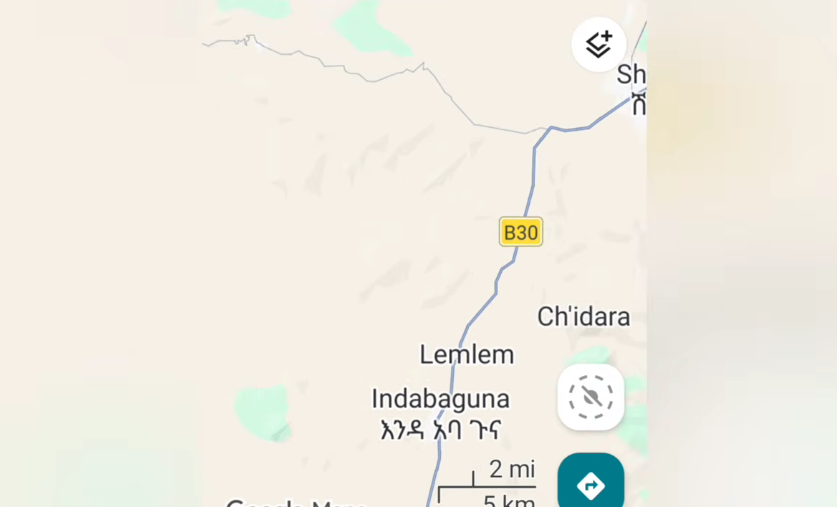
The report details a tragedy that unfolded in two distinct, agonizing chapters within the Merti and Sherka districts. In the Gora Silingo area of Angada Kebele, within Merti, the sun set on Tikimt 10 only to reveal the horror of 14 lives cut short. A few days later, on Tikimt 14, the tragedy deepened in Tereta Chole Birbo, located in the Sherka district, where 46 more faithful were killed. These are not merely numbers; they represent 60 individual souls, fathers, mothers, sons, and daughters, whose absence has left an unfillable void in their families and their parishes.

Beyond the catastrophic loss of life, the violence claimed the physical markers of home: 20 residential buildings were burned to the ground, leaving families to stand in the smoldering ruins of their lives, displaced and uncertain of their next step. More than 20 others bear the physical and emotional scars of critical injuries, now fighting for recovery in hospital wards.
For the Holy Synod, this tragedy is not an isolated incident but part of a harrowing, recurring pattern of targeted violence, displacement, and intimidation directed at Orthodox Christians in the Arsi Zone and other regions. There is a palpable sense of alarm within the Church leadership, as they witness the security environment for their members deteriorating rather than improving.
They have voiced their anguish clearly: these heinous acts are a direct assault on the fundamental rights that define human existence, most notably the right to life and the freedom to worship. These inhuman actions threaten the very fabric of national values—the long-standing heritage of mutual respect, peaceful coexistence, and tolerance that has for generations held diverse communities together.
The Church’s response has been one of both spiritual mourning and urgent advocacy. They have not remained silent in the face of this brutality. The Holy Synod has laid out clear, necessary expectations for government and security authorities, demanding that they move beyond mere acknowledgment and take concrete steps to ensure the safety of citizens.
They call for an unequivocal public condemnation of the violence, the immediate deployment of security measures to protect vulnerable communities, and a swift, transparent pursuit of justice. The demand for accountability is not just about retribution; it is a vital, preventative necessity to ensure that such a cycle of tragedy does not claim more lives in the future.
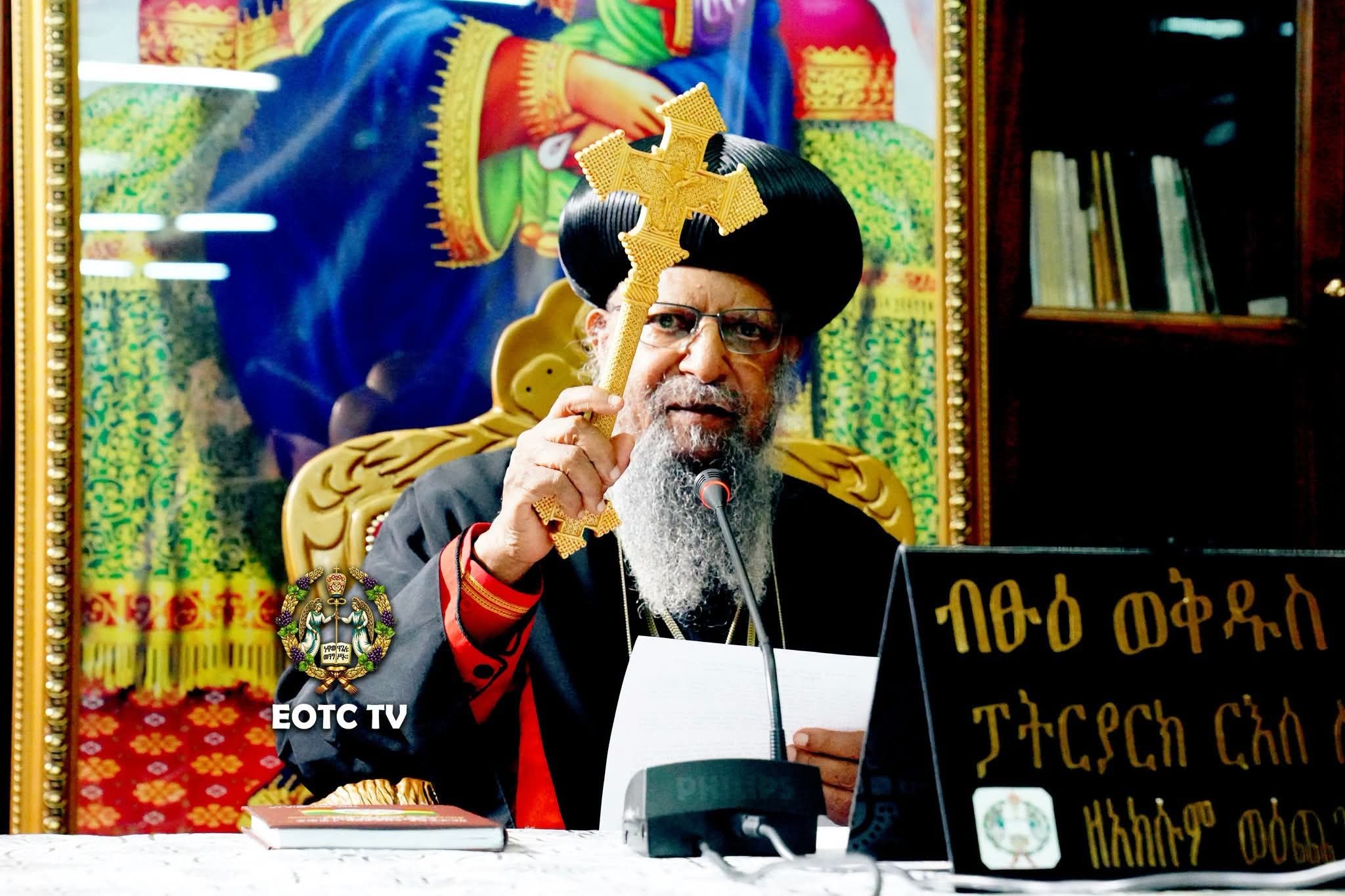
While these calls for justice remain central, the current focus of the Church is on the immediate healing of its community. A profound shroud of grief has settled over the Patriarchate Headstation at the Kidiste Kidusan Maryam Monastery, where members of the Holy Synod led funeral and memorial prayers. These solemn acts of remembrance are being mirrored across Ethiopia and throughout the global network of EOTC churches and cathedrals, as the faithful come together to share the burden of this sorrow.
In the aftermath of such profound loss, the Church is determined to channel its grief into action. Beyond the memorial services, they have initiated plans for high-level, direct engagement with government officials. These meetings are intended to transcend temporary fixes, aiming instead to forge sustainable, long-term security solutions for the families and parishes in the Arsi Zone.
The goal is to build a future where safety is guaranteed for all, and where communities can return to their lives without the constant, looming shadow of fear. The path forward is undoubtedly steep, but the resolve of the Church to provide spiritual comfort to the bereaved while tirelessly advocating for the protection and dignity of its faithful remains an unyielding beacon of hope in a time of deep darkness.