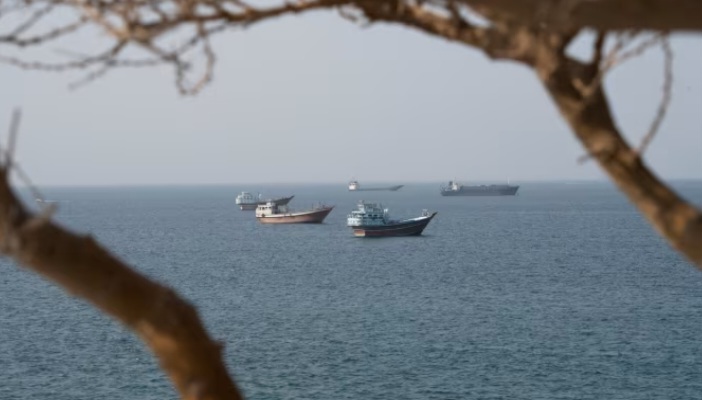
Iran is losing its grip on the Strait of Hormuz, one of the world’s most critical oil transit chokepoints, as its ongoing standoff with the United States intensifies, according to newly released tracking data.
Data from vessel-tracking firm Kpler indicates that over the past two weeks, more than 80 percent of ships transiting the Strait have used Oman’s designated maritime route under the protection of U.S. naval forces. Despite fierce opposition and repeated threats from Tehran regarding the use of Omani territorial waters, commercial vessels are increasingly bypassing Iranian oversight in favor of U.S.-backed security guarantees.
"There are strong indications that Iran has partially lost its control over the Strait," said Homayoun Falakshahi, head of crude oil analysis at Kpler.

The sharp drop in vessel traffic through Iranian-controlled lanes has dealt a blow to Tehran's revenue, depriving it of lucrative transit tolls previously levied on passing commercial ships. To minimize the risk of Iranian drone and missile strikes, many tankers are now turning off their transponders and navigating through the narrow corridor in stealth mode.
Meanwhile, U.S. Energy Secretary Chris Wright noted that daily oil flows through the Strait and alternative regional bypass routes have recovered to approximately 15 million barrels per day (bpd)—nearing pre-conflict levels of around 20 million bpd.
Naval and energy experts observe that while neither Washington nor Tehran holds absolute dominance over the waterway, the heightened presence of the U.S. military has significantly curtailed Iran’s ability to project power and dictate shipping traffic.
Nonetheless, with temporary de-escalation agreements expiring and diplomatic talks stalling, oil prices on the global market continue to face upward pressure amid persistent geopolitical uncertainty.