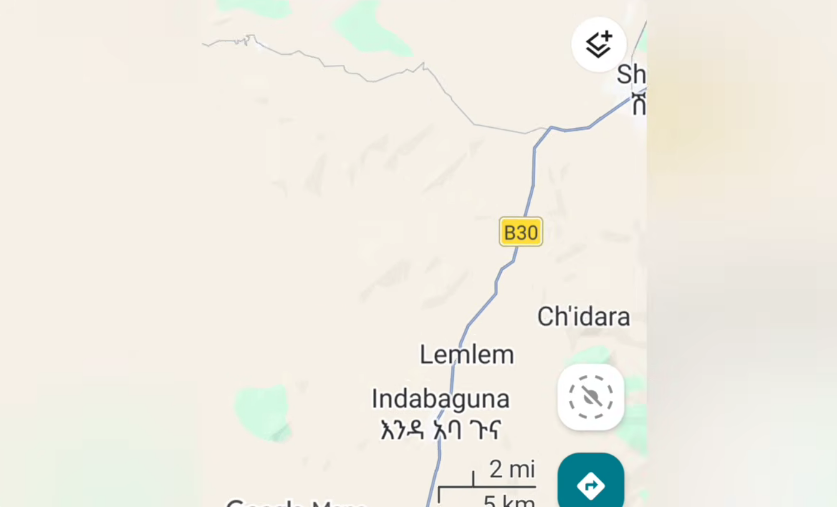
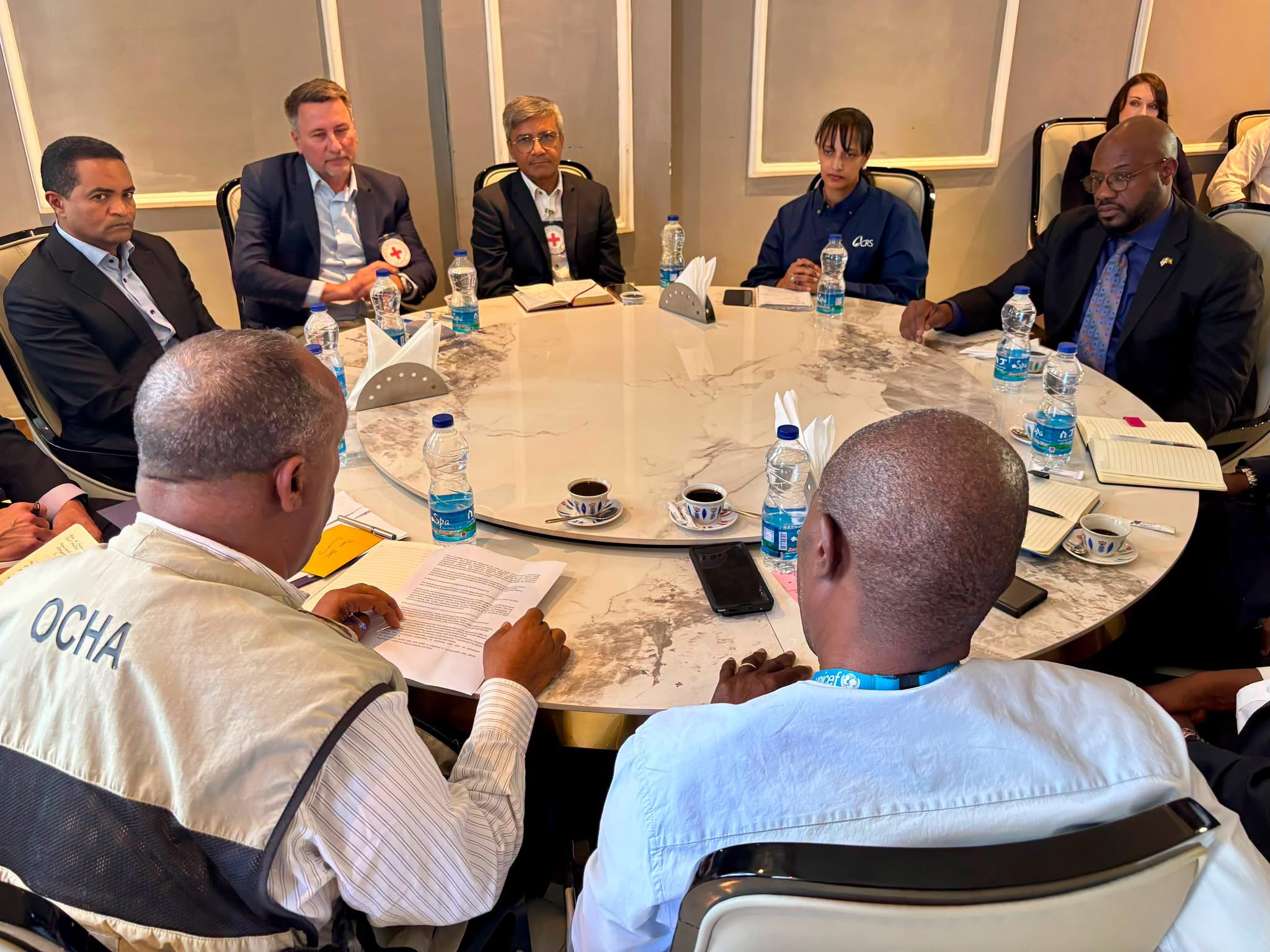
When U.S. Ambassador Ervin Massinga traveled to the Tigray region, the visit was framed around standard diplomatic goals: reaffirming peace, assessing aid, and encouraging stability. But looking past the polished press releases reveals a delicate balancing act. The Ambassador's itinerary highlights the challenging road ahead for northern Ethiopia, navigating the transition from emergency survival to self-reliance.
The shift in Massinga’s rhetoric from "delivering aid" to "transitioning to self-reliance" is highly strategic. Tigray has suffered under severe humanitarian crises, and while immediate food and medical supplies keep people alive, they do not rebuild broken infrastructure or restore local economies.
By pushing for a transition to self-reliance, the U.S. is signaling that its financial support is not an open-ended subscription. However, this transition is a catch-22: communities cannot build self-reliance without a stable economy, and they cannot build a stable economy without lasting security.

Massinga’s meetings with civil society and political leaders put a sharp focus back on the Pretoria Agreement (COHA). Signed in late 2022, the peace treaty stopped the active war but left critical issues unresolved, including the return of internally displaced persons (IDPs) and the status of contested territories.
By stressing "full implementation," the U.S. is privately reminding regional stakeholders that international goodwill relies on keeping their promises. Massinga is essentially warning that any backsliding into localized violence will jeopardize both peace and the financial aid keeping the region afloat.
The United States remains one of Ethiopia’s largest bilateral donors. Massinga’s presence in Tigray is a physical reminder of that leverage. It tells both the Tigray Interim Regional Administration and the federal government in Addis Ababa that Washington is watching closely.
Ambassador Massinga’s visit was less of a victory lap for peace and more of a wellness check on a highly fragile recovery. By linking continued humanitarian support directly to political progress, the U.S. is trying to turn aid into an incentive for lasting peace. Whether Tigray’s leaders can successfully transition their communities from survival mode to stability depends entirely on their willingness to choose dialogue over division.