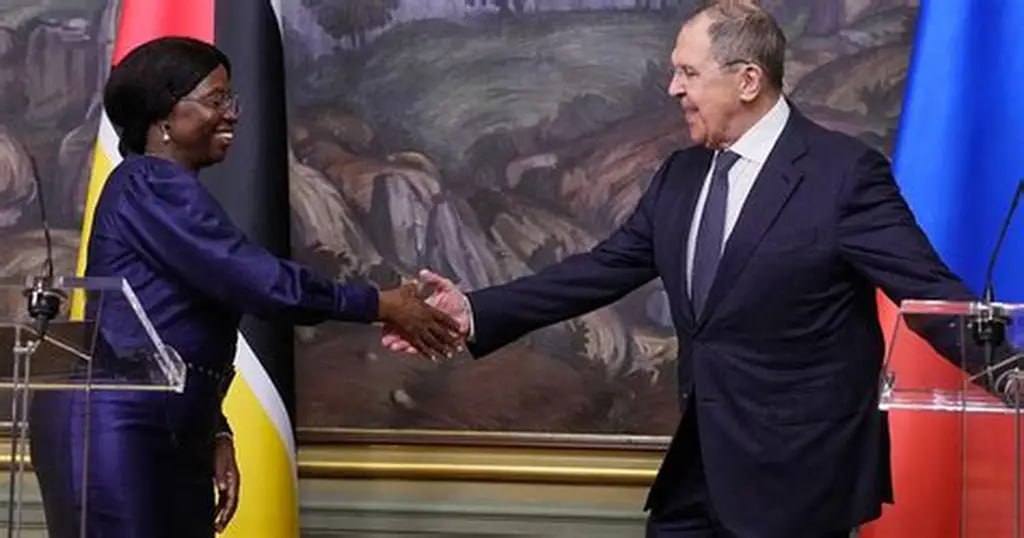
A significant new chapter is unfolding in the shifting geopolitics of East Africa. In a high-stakes meeting here in the capital, Russian Foreign Minister Sergey Lavrov met with Mozambique’s newly elected President, Daniel Francisco Chapo. The outcome was a definitive pledge from Moscow: full military backing to counter the Islamist insurgency that has plagued the northern province of Cabo Delgado.
It is a move that signals the Kremlin’s expanding footprint, stretching its strategic influence across the Horn of Africa and into the critical waters of the Indian Ocean.
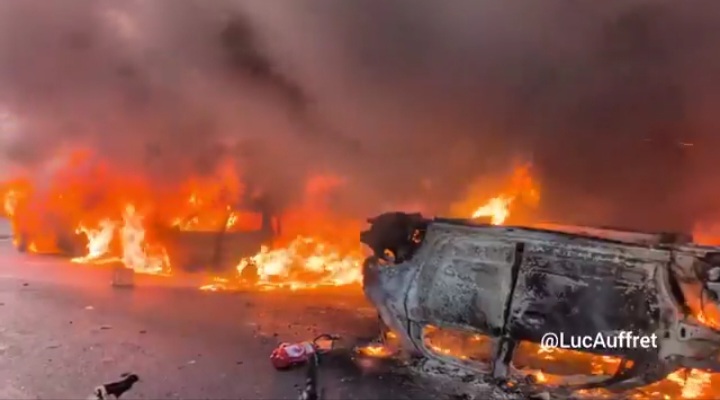
Since 2017, an insurgency spearheaded by the Islamic State-affiliated group known locally as al-Shabaab has devastated Cabo Delgado. The conflict has claimed thousands of lives and displaced millions, triggering a severe humanitarian crisis.

Yet, the stakes extend far beyond local instability. The region sits atop one of Africa's largest liquefied natural gas (LNG) reserves—a resource vital not only to Mozambique’s economic future but to global energy supply chains.
While peacekeepers from the Southern African Development Community (SADC) and Rwandan troops have managed to restore a semblance of order, the threat remains potent and fluid. Sensing a security vacuum, Russia has stepped in, promising a robust package of military, intelligence, and technical assistance.
Moscow’s overtures have been met with profound skepticism in Western capitals. Geopolitical analysts point out that Russia appears to be replicating its tactical playbook from the Sahel region. In nations like Mali, Niger, and Burkina Faso, the Kremlin effectively deployed paramilitary forces—formerly known as the Wagner Group and now rebranded as the Africa Corps—to supplant Western influence.
"Russia’s presence is about far more than just tactical military support. This is a calculated strategy to secure access to vast natural resources and systematically erode Western influence in the region."
— Geopolitical Analyst
The unfolding partnership carries distinct risks and rewards for both nations:
For Mozambique: The deal promises immediate dividends in the form of heavy weaponry and sophisticated counter-insurgency training. However, embracing Moscow risks severely alienating Western development partners and international financial institutions.
For Russia: Securing a foothold in Maputo offers a strategic maritime presence on the Indian Ocean and a direct stake in lucrative gas reserves. The downside is the risk of becoming bogged down in an entrenched, costly guerrilla war that could drain resources and cost Russian lives.
For the nascent administration of President Daniel Chapo, the path ahead is a diplomatic tightrope. His government must now navigate the perilous task of restoring domestic security without compromising Mozambique's national sovereignty or its vital ties to the West.
Whether Russia’s intervention will bring genuine stability to Cabo Delgado or simply transform the resource-rich province into a fresh battleground for global superpowers remains to be seen. What is certain, however, is that Africa’s geopolitical map is being redrawn at a staggering pace.