
The conflict in Sudan threatens to spiral into a catastrophic new phase as humanitarian agencies sound a red alert over a dramatic surge in drone warfare across North Kordofan. El Obeid, a strategically vital crossroads of half a million residents, has emerged as a frontline battleground between the Sudanese Armed Forces (SAF) and the paramilitary Rapid Support Forces (RSF), drawing sharp warnings from international observers who fear an impending human rights catastrophe.
According to tracking data compiled by the conflict monitoring group ACLED, June 2026 registered the highest monthly total of drone warfare in the region since the civil war erupted in 2023, recording at least 27 distinct drone strike events around El Obeid. The UN Human Rights Office documented 15 separate strikes in the Sheikan locality alone during a three-week window last month, resulting in at least 45 civilian fatalities and dozens of injuries.
Local field reports and satellite analysis indicate that the aerial bombardments have intentionally targeted critical infrastructure necessary for the sustainment of life, including markets, schools, hospitals, fuel storage facilities, and the city's main power station, plunging much of the municipality into prolonged blackouts.

Military analysts note that El Obeid remains a vital prize for both factions due to its geography, sitting directly between RSF-dominated strongholds in Western Darfur and SAF-controlled networks in the east. While the RSF has effectively encircled the city from the north, west, and south, the SAF continues to defend a heavily contested eastern supply corridor.
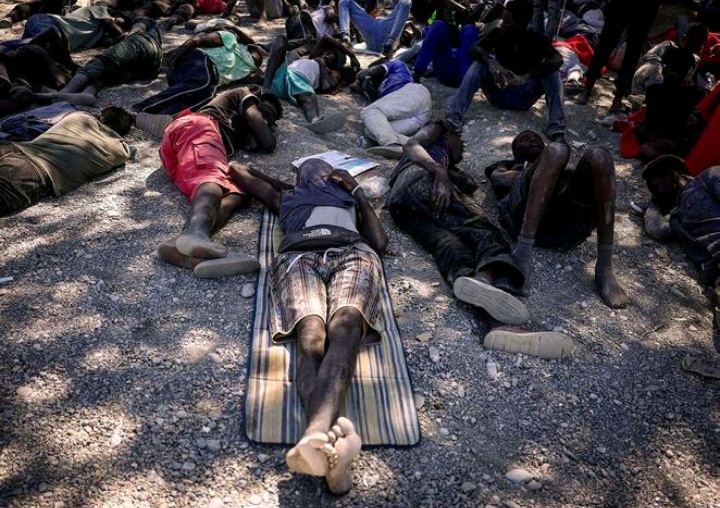
Humanitarian workers on the ground report that the siege has driven commodity prices to astronomical levels, while fleeing families face summary executions, extortion, and targeted violence along the few remaining exit routes.
The escalating horror in North Kordofan mirrors a broader pattern of systemic violence across the country. In a comprehensive investigation published on July 1, 2026, Amnesty International formally accused the RSF of committing crimes against humanity and ethnic cleansing during its protracted siege and eventual seizure of El Fasher, North Darfur.
The rights group's findings, built on eight months of research and over 240 interviews, detailed widespread atrocities including mass summary executions, systematic rape, torture, and the deliberate targeting of non-Arab ethnic communities. Satellite imagery validated the complete destruction of several predominantly Zaghawa villages, a campaign Amnesty International described as consistent with ethnic cleansing.
The twin crises in El Obeid and El Fasher emphasize the international community's continued failure to protect Sudanese civilians. With critical aid blocked and internal displacement surging past record margins, human rights agencies are urgently renewing their calls for an immediate, nationwide ceasefire and the deployment of an international protection force to prevent the conflict from devolving into outright genocide.