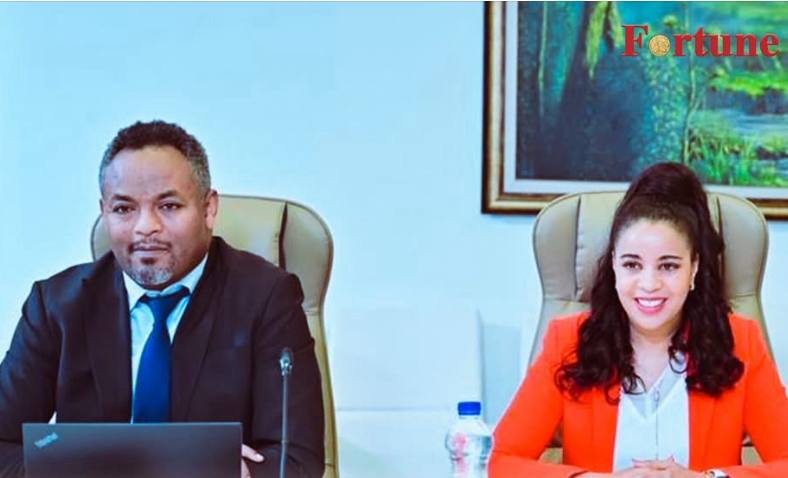
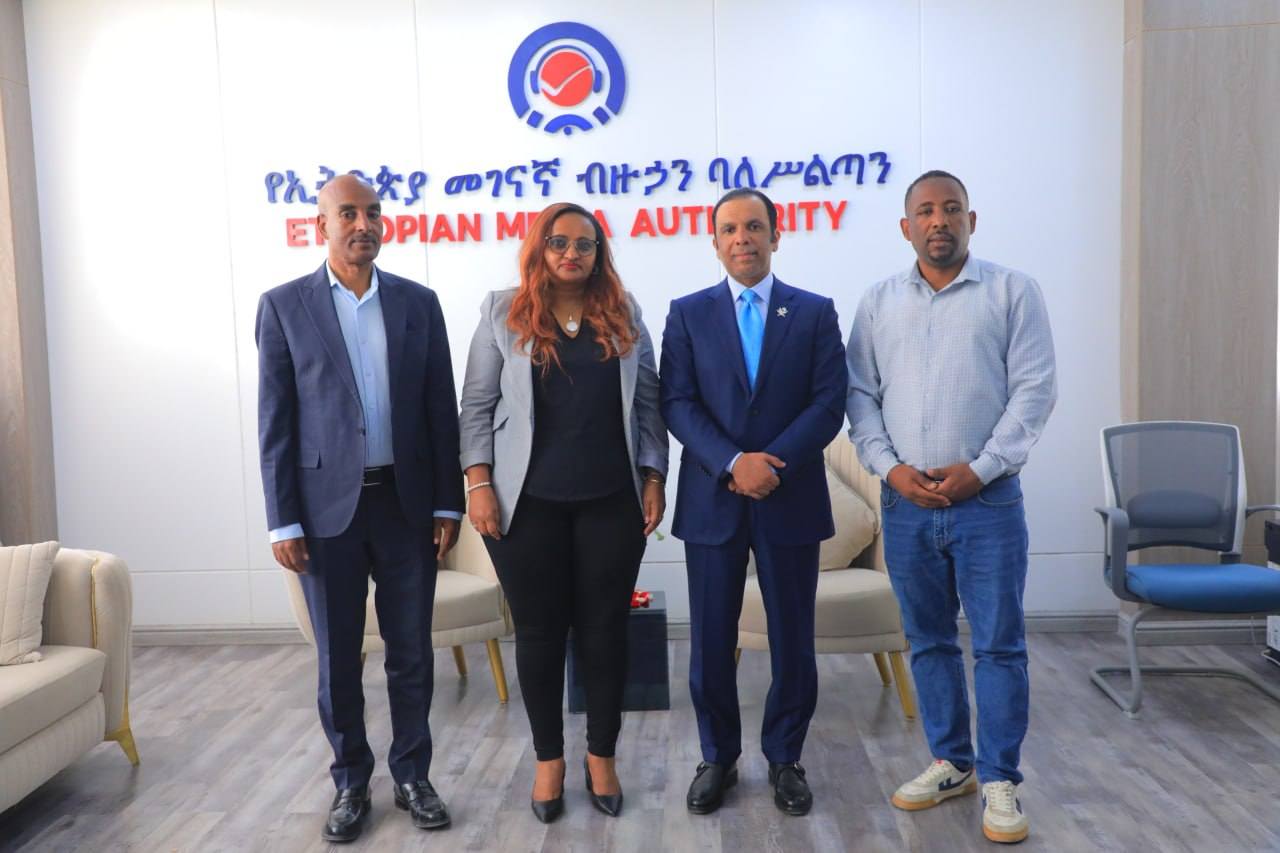
The recent high-level rendezvous between Haimanot Zeleke, Director General of the Ethiopian Media Authority (EMA), and Qatar’s Ambassador, Saad Mubarak Al-Nuaimi, carries the polished veneer of "institutional capacity building." On paper, the discussions regarding the establishment of an Ethiopian Media Excellence Centre and technical digitisation sound like the standard fare of developmental diplomacy. However, beneath the bureaucratic pleasantries lies a more complex and potentially troubling narrative of state-managed narratives and the outsourcing of media ethics to a Gulf monarchy.
Ethiopia’s media landscape is currently at a critical juncture, caught between the vestiges of state-controlled monoliths and a fledgling, often chaotic, private sector. In this context, the EMA’s pivot toward Doha for "technical expertise" and "professional training" raises fundamental questions about the direction of Ethiopia’s media reform.
Qatar, via its Doha-based Al Jazeera network and stringent regulatory bodies, has mastered the art of "Media Statecraft." While Al Jazeera remains a global powerhouse in investigative journalism abroad, it operates within a domestic framework that is profoundly different from the liberal democratic ideals Ethiopia nominally aspires to. By seeking to model an "Excellence Centre" or regulatory frameworks on Qatari templates, the EMA risks importing a brand of media management that prioritizes regional geopolitics and state stability over the messy, essential friction of independent domestic accountability.

The Director General’s emphasis on "addressing skill gaps" through Qatari support is a tacit admission of the failure of local institutions to cultivate a robust journalistic tradition. While Qatar’s offer to share "technical expertise" is undeniably attractive—given their state-of-the-art broadcast infrastructure—the price of such gifts is rarely just financial.
In the high-stakes environment of the Horn of Africa, media is the primary theater for soft power. By formalizing a Memorandum of Understanding (MoU) with Qatar, Ethiopia is effectively inviting a singular regional actor to shape the pedagogical foundation of its future journalists. There is a palpable danger that "specialized training" will focus more on the technicalities of state-friendly digital regulation and sophisticated content management than on the core tenets of adversarial journalism and the protection of the public interest.
The proposed "Ethiopian Media Excellence Centre" is perhaps the most ambitious—and ambiguous—element of this partnership. If the center is built on the back of Qatari capital and curriculum, it risks becoming a factory for "state-aligned professionalism."
True media excellence is born of independence, not institutional dependence on foreign regulatory bodies. For a country like Ethiopia, which is struggling to heal internal fractures and build a cohesive national narrative, the influence of a foreign power with its own strategic interests in the Nile Basin and the Red Sea cannot be overlooked. The EMA must answer whether a media sector "modernized" by Doha will be empowered to question the very regional alliances the state is currently brokering.
The EMA’s pursuit of "knowledge transfer" is necessary, but its concentration on a single, state-led model is a strategic misstep. Modernization should not be a euphemism for the centralization of regulatory control under the guise of "digital efficiency."
If Ethiopia is to truly push ahead with broader reforms in the communications sector, it requires a pluralistic approach to capacity building—one that engages with diverse global standards, including those from jurisdictions with a proven track record of protecting press freedoms against executive overreach.
As the MoU nears signing, the Ethiopian media fraternity must look beyond the promises of "technical capacity enhancement." The real question is whether this partnership will build a bridge to a more transparent Ethiopia, or merely provide the state with a more sophisticated, Qatari-engineered megaphone. In the business of media, the medium is often the message, and right now, the message from the EMA is one of worrying dependency.