In a major step toward resolving generations of structural and political instability, the Ethiopian National Dialogue Commission (ENDC) has formally unveiled the final thematic agenda pillars that will govern its upcoming national consultation forum.
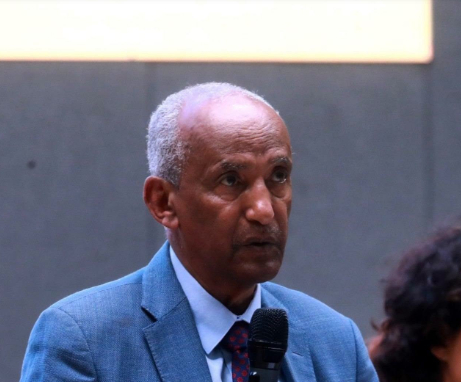
Speaking at a news conference in the capital, commission officials presented an exhaustive eight-part framework designed to systematically unpack the country's deep-seated historic and constitutional fractures. The announcement marks the transition from a multi-year, nationwide data-collection phase into formal, mediated deliberations.
A Structural Framework for Political Settlement
The commission’s agenda aims to categorize Ethiopia’s complex political disputes into structured debates. According to officials, the eight foundational pillars designated for the national forum are:

-
State Building: Deliberations centered on national identity, historical narratives, and the foundational values of the Ethiopian state.
-
Structure and Form of Government: A comprehensive review of constitutional governance, the current federal architecture, and power-sharing mechanics.
-
Status of Federal Cities: Targeted negotiations regarding the distinct administrative, constitutional, and economic jurisdictions of Addis Ababa and Dire Dawa.
-
Religious Affairs: Discussions aimed at strengthening interfaith relations and addressing state-religion dynamics.
-
Institutional Building, Rule of Law, and Human Rights: Mechanisms to ensure judicial independence, uphold constitutionalism, and safeguard fundamental human liberties.
-
Socio-Economic Affairs: Macroeconomic policies targeting equitable growth, with a primary focus on the livelihoods of agrarian (farmers) and pastoralist communities.
-
Anti-Corruption and Good Governance: Systemic reforms to enhance public sector transparency, combat institutional corruption, and restore public trust.
-
Peace Building: The establishment of sustainable, long-term conflict resolution and national reconciliation frameworks.
Institutional Legitimacy and the Hurdles Ahead
Commissioners emphasized that the agenda items were synthesized from grassroots consultations spanning more than 1,200 woredas (districts) across the country. By engaging a cross-section of civic organizations, political parties, and traditional elders, the ENDC is attempting to build an independent mandate separate from the ruling administration.
However, the framework faces steep hurdles in a highly polarized political landscape. The deliberate inclusion of flashpoint issues—such as the legal status of the chartered federal cities and the core structure of the federal system—demonstrates a willingness to confront highly contentious issues.
For the dialogue to achieve a lasting political settlement, the commission must still bridge the gap with key opposition and armed factions that have remained skeptical of the process. Whether these eight pillars lead to binding policy or further gridlock will ultimately depend on securing broad-based participation and an enforceable political commitment from all major stakeholders.