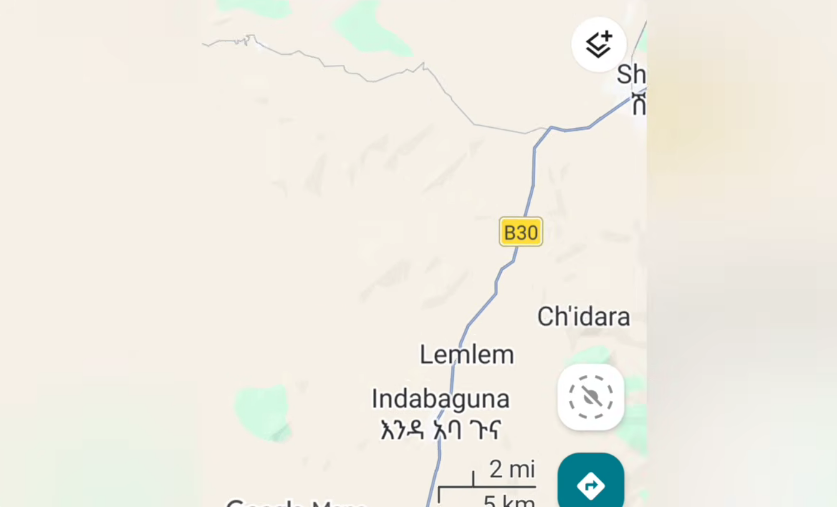
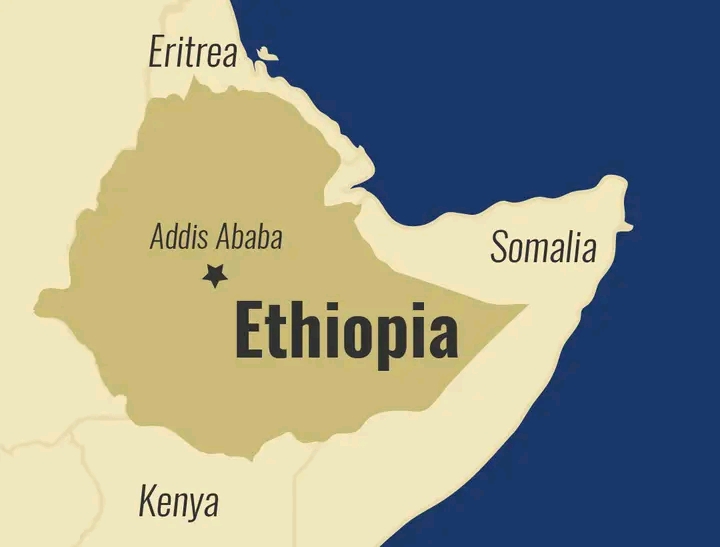
Heavy military clashes erupted early Saturday between the Ethiopian National Defense Force (ENDF) and forces affiliated with the Tigray People’s Liberation Front (TPLF) in the border region near Sudan.
The exchange of heavy artillery and mechanized fire near the border village of Shererina marks the most severe direct military engagement between the two sides in months.
This sudden escalation breaks a prolonged period of uneasy relative calm and poses the most significant threat to northern Ethiopia's stability since the signing of the Pretoria Cessation of Hostilities Agreement in late 2022.

The renewed fighting along the strategic triangular boundary connecting Tigray, Amhara, and eastern Sudan introduces dangerous geopolitical variables into an already complex conflict landscape.
Reports indicate that elements of the TPLF-aligned "Army 70" unit operating from staging areas in eastern Sudan initiated movements toward western positions, drawing immediate counter-strikes and heavy artillery responses from federal troops.
The involvement of cross-border operational bases highlights how the ongoing civil war in neighboring Sudan complicates border security for Addis Ababa, as non-state actors exploit porous boundaries to regroup and resupply.
Saturday’s violent flare-up underscores the growing fragility of the post-Pretoria political arrangement. While the 2022 peace deal successfully halted full-scale warfare and re-established essential federal services, key structural disputes have remained unresolved.
Chief among these is the contentious status of Western Tigray (Welkait-Tsegede-Humera), alongside delayed disarmament, demobilization, and reintegration (DDR) protocols.
Political rhetoric between federal authorities and regional leadership in Mekelle has sharpened significantly over recent months, with mutual accusations of forced conscription, illegal troop movements, and external alliance-building.
The re-escalation carries severe implications for the wider Horn of Africa region. With Sudan engulfed in its own devastating conflict and maritime security tensions persisting in the Red Sea, a renewed war in northern Ethiopia would exacerbate regional instability.
Furthermore, military escalation threatens to trigger renewed civilian displacement across border areas already suffering from severe humanitarian strains, food insecurity, and destroyed infrastructure left behind by previous conflict cycles.
To prevent this border skirmish from spiraling into another full-scale war, immediate containment is imperative. Both the federal government and regional authorities must re-engage with established monitoring and verification mechanisms to enforce the ceasefire terms.
International mediation partners, including the African Union, must urgently intervene to address the root political grievances, particularly territorial administration and cross-border security protocols, before military momentum overrides diplomatic pathways.