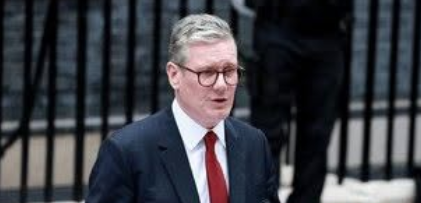
Following the dramatic resignation of Prime Minister Keir Starmer on June 22, 2026, former Greater Manchester Mayor Andy Burnham has rapidly consolidated support to emerge as the overwhelming frontrunner to become Britain’s next leader.
Burnham, widely known as the "King of the North" during his nine years running Greater Manchester, only just returned to Westminster last week after winning a decisive by-election victory in the northern constituency of Makerfield.
His triumph in a seat heavily targeted by Nigel Farage’s anti-immigration party, Reform UK, instantly positioned him as the Labour Party's best hope to restore its tumbling poll ratings.

His path to Downing Street cleared significantly after former Health Secretary Wes Streeting, previously considered his main potential rival, publicly withdrew from the race and endorsed Burnham to avoid a divisive internal battle. Political analysts suggest Burnham’s elevation could now mirror a political "coronation" rather than a drawn-out contest.
The Succession Timeline
The Labour Party’s National Executive Committee is moving quickly to establish a transition of power.
-
July 9, 2026: Nominations officially open for Labour lawmakers to back leadership candidates.
-
July 16, 2026: Parliamentary hustle debates conclude just as the UK Parliament breaks for summer recess. If Burnham remains unchallenged, he could be declared leader by this date.
-
September 1, 2026: Strict final deadline for the new Prime Minister to formally take office and form a government before Parliament resumes.
A Fragmented Decade: If appointed by King Charles III, the 56-year-old Burnham will become Britain's seventh Prime Minister in just ten years, highlighting a decade of intense political volatility following the country's exit from the European Union.
Starmer, who succumbed to mounting internal mutiny after devastating local election losses and fallout from political scandals, will remain in a caretaker capacity through the summer to allow Burnham time to assemble his new Cabinet.
While Burnham is celebrated for his domestic policies—including rebuilding Manchester's infrastructure and reforming public transit—he will inherit an economically stagnant Britain and faces immediate pressure to define his platform on the global stage.