The "Coalition for Ethiopia's Unity," a political alliance of four opposition parties that actively participated in the 7th general election, has reportedly been embroiled in internal disputes since the conclusion of the polls.
Following these developments, the alliance has been issued a stern warning and counsel to avoid falling into the same historic trap that dismantled the "Coalition for Unity and Democracy" (CUD / Kinijit)—a political force that once carried immense public hope during the historic 3rd general election two decades ago.
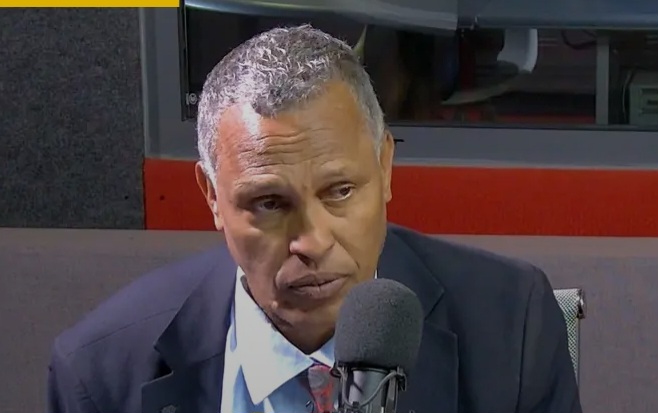
The caution was given by prominent political analyst and politician Abebe Akalu during an interview with Ahadu Platform, where he provided a comprehensive analysis of the current friction among the member parties as the election drew to a close.

While praising the coalition's collective strength during the electoral process, Mr. Abebe criticized the public bickering among the member parties before the final votes were fully counted and official outcomes determined, calling it ill-timed and entirely inappropriate.
Explaining the deep-rooted reasons why promising mergers and fronts historically fail to sustain momentum in Ethiopian politics, the politician noted: "The primary and most significant obstacle remains the question of individual and group interest—specifically, 'who will hold supreme power in the future structure?'"
He condemned the political habit where parties prioritize clinging tightly to minor internal positions and hierarchy rather than dedicating themselves to the broader national cause and public trust. To substantiate this, he cited the past merger attempt between the All-Ethiopia Unity Organization (AEUO/Meiad) and the Ethiopian Unity Parties, which ultimately collapsed due to internal power struggles.
Mr. Abebe Akalu emphasized that the leadership of the current "Coalition for Ethiopia" must thoroughly examine and learn from the dissolution of Kinijit in 2005. He explained that if today's leaders had soberly reviewed the historical record and the reasons why the former coalition failed despite gaining massive public trust, they would not be on the verge of stepping into the same historical trap today.
Concluding his remarks, Mr. Abebe recalled that the 2005 general election was a monumental opportunity that could have served as a turning point in Ethiopia's political history. He expressed regret that if both the ruling party and the opposition at the time had genuinely respected democratic principles in practice, today's Ethiopia would possess a vastly different and better landscape in terms of economic and political stability.
Consequently, he urged the leaders of the coalition, as key actors in the 7th general election, to set aside personal power struggles, prioritize national and public trust, and resolve their differences through constructive dialogue.