Casting a ballot on election day may seem like a straightforward task for a voter; however, the real, painstaking work begins after the polling stations close. This is where the complex mathematics of democracy takes over. Currently, the National Election Board of Ethiopia (NEBE) is working around the clock on a critical phase: the votes aggregation process. Yet, due to a distinct set of operational and logistical challenges, the process is facing notable delays in several areas.
According to a press briefing by the Board, out of 1,138 constituencies nationwide where elections took place, only 825 have successfully released their results so far. The remaining 313 constituencies are still trapped in the grueling process of tallying and aggregating votes.
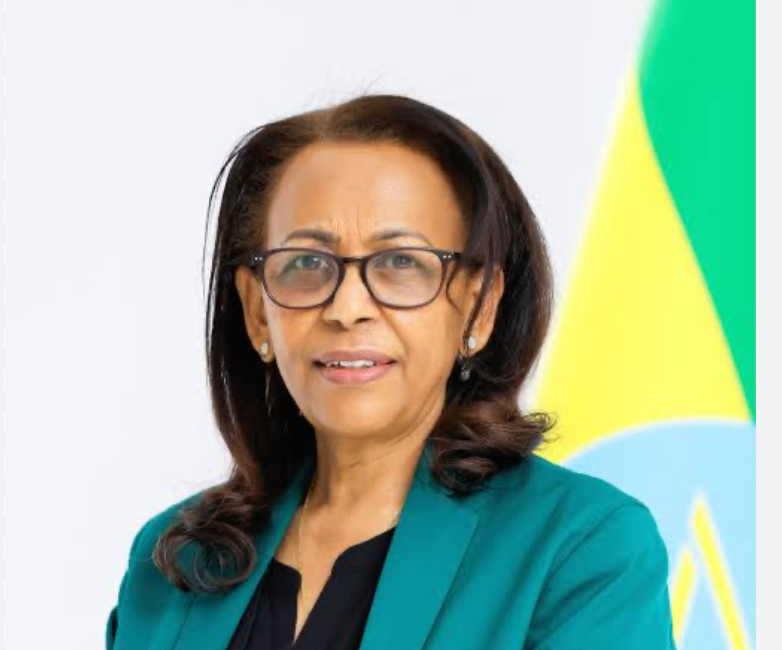
NEBE Chairperson, Wst. Melatework Hailu, emphasized that these delays are not arbitrary. Instead, they are the direct logistical consequence of local realities, challenging geography, and an unprecedented volume of candidates.

In urban centers, the primary bottleneck is a combination of high population density and crowded ballots. For instance, in the Sidama region, out of 19 constituencies, official results have been posted in only two. In Hawassa alone, the sheer concentration of 303 polling stations, coupled with a massive field of candidates, has drastically slowed down the aggregation. Meticulously counting and verifying every single mark on these packed ballots requires substantial time and manpower.
A similar narrative is unfolding in the capital. Out of Addis Ababa’s 33 constituencies, only 11 have managed to finalize their tallies and transmit the data to the central headquarters. The capital's high political engagement and lengthy candidate lists mean that ensuring accuracy takes precedence over speed.
Conversely, the delays in the South West Ethiopia Peoples' Region stem from an entirely different set of hurdles. Out of 22 constituencies in this region, only two have declared their results. Here, the bottleneck is not crowded urban ballots, but rather the vast physical distances and infrastructure deficits. Transporting ballot boxes and official tally sheets from remote, rugged rural polling stations to the central constituency hubs is a grueling logistical battle in its own right.
"Because the vote aggregation process must be legally airtight, transparent, and meticulously handled, it has naturally taken some time," stated Chairperson Melatework Hailu.
For the Election Board, delivering a secure, indisputable, and verified final count is far more vital than rushing out quick, premature numbers. To remedy the bottleneck, the Board is actively deploying technical and logistical support to assist the remaining 313 constituencies in wrapping up their counts as swiftly as possible.
Ultimately, the success of a nation's democratic journey is not just measured by the long lines on election day, but by the integrity of the count that follows. The current delays reflect the Board's strict adherence to legal precision and systemic transparency. As the final numbers are verified, the Board has urged both the public and the media to maintain patience until the official certified results are declared.