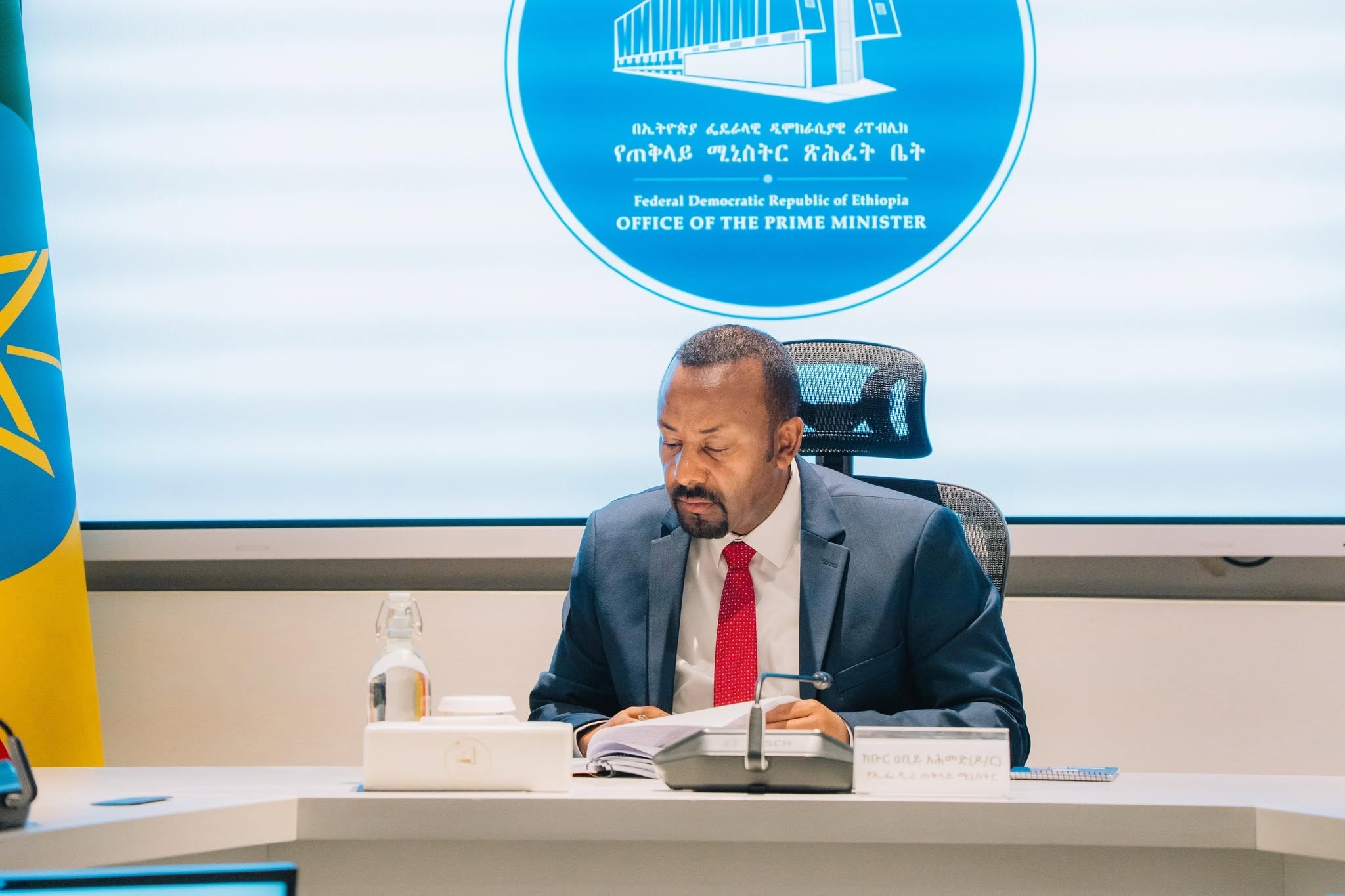
The Council of Ministers has once again executed its most practiced ritual: rubber-stamping a staggering 2.33 trillion Birr draft budget for the upcoming fiscal year with a unanimous, unquestioning show of hands. Passing a fiscal package that ventures this deep into the trillions requires more than mere administrative compliance; it demands rigorous macroeconomic justification. Yet, as the draft heads to Parliament, the official narrative surrounding this astronomical figure feels less like a grounded fiscal strategy and more like a carefully manicured public relations campaign.
The administration’s rhetoric is predictably triumphant. Officials assure the public that the economy is successfully "extricating itself" from structural crises and that the foundations of the state are "strengthening significantly" under the current macroeconomic reform framework. While optimism is a political necessity, wrapping a massive, potentially inflationary budget in a blanket of unearned economic victory is a dangerous gamble.
A closer look at the numbers reveals a stark disconnect from the realities on the ground:

The Council credits the ongoing macroeconomic overhaul with creating a stable launchpad for this budget. However, for the average Ethiopian citizen and the struggling private sector, these "reforms" have felt less like stabilization and more like an aggressive assault on purchasing power. Severe currency depreciation, skyrocketing import costs, and systemic supply-chain bottlenecks have fueled rampant domestic inflation. Injecting over 2.3 trillion Birr into an economy already suffocating under a punishing cost-of-living crisis is akin to throwing fuel on a monetary fire.
A massive portion of this budget is earmarked for recurrent expenditures—the staggering cost of running an ever-expanding, highly bureaucratic government machinery—alongside regional subsidies. When capital expenditure, which actually builds infrastructure and generates long-term productivity, is overshadowed by the sheer cost of keeping the administrative lights on, the budget ceases to be an instrument of economic transformation. Instead, it becomes a survival mechanism for the state apparatus.
Allocating heavy subsidies to regional governments is a constitutional mandate, but in the current political climate, it raises severe accountability questions. Without strict, transparent performance metrics, these massive transfers frequently vanish into inefficient regional administrations, failing to improve the lives of rural communities or stimulate localized production.
Furthermore, the Council boasts that this budget aligns seamlessly with the nation's ambitious "Ten-Year Perspective Development Plan" and global Sustainable Development Goals (SDGs). Aligning targets on paper is easy; financing them without plunging the nation deeper into a sovereign debt trap is the real challenge. Where exactly is this 2.33 trillion Birr coming from?
In an environment where domestic tax collection remains chronically inefficient and international credit markets are heavily constrained, the risk of resorting to aggressive domestic borrowing or central bank printing presses looms large. Both options inevitably penalize the poorest citizens through a hidden inflationary tax.
The draft has now been kicked upstairs to the House of Peoples' Representatives. If history is any indication, the parliamentary review will be little more than a formality—a theatrical display of debate before an inevitable, quiet approval.
Ethiopia cannot afford performative governance. A budget of this magnitude should not be celebrated merely because it is large; it must be fiercely scrutinized because the margin for error has narrowed to zero. If parliament fails to demand a granular breakdown of how these trillions will be funded, managed, and audited, this budget will not usher in the promised "social and economic transformation." Instead, it will stand as a monument to fiscal overreach, leaving ordinary citizens to pay the ultimate price for the state's runaway ambitions.